
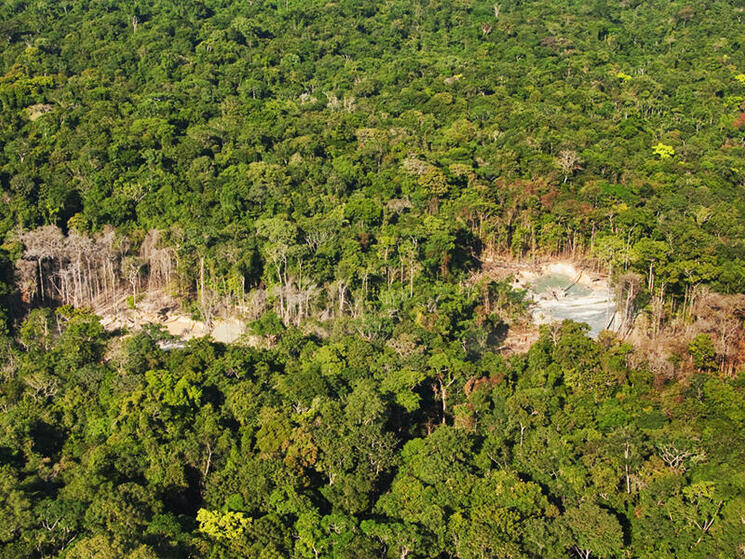
As the transition to renewable energy accelerates, demand for minerals such as lithium, cobalt, and rare earth elements is rising sharply. This has sparked concerns about the environmental impact of new mining projects, especially in ecologically sensitive areas.
A recent WWF study analyzed global energy-transition mineral projects and found that only 7% overlap with key biodiversity areas. This suggests that, with careful planning and site selection, the majority of new mines can avoid the most critical habitats.
The report emphasizes the importance of environmental safeguards and transparent decision-making in minimizing ecological harm.
The findings challenge the assumption that expanding mining for clean energy inevitably comes at the cost of biodiversity, offering hope for a more balanced approach to resource development.
Source: WWF